
Gut Testing 101: Which Test Do You Need

TABLE OF CONTENTS
Why "normal" gut labs don't always mean a healthy gut
Conventional GI testing (what your PCP or GI doc typically run)
Functional/specialty GI testing (what we run and why)
Which test for which symptom
How we can help
Why "normal" gut testing doesn't always mean a healthy gut

Many of the conventional screening gut health tests ordered by your PCP or your gastroenterologist are looking for only a few specific causes of disease. They tell us very little about how well the system is performing and where it might be underperforming. When we think about gut health function, we need to think about how well is the food and stool moving through - is the transit time normal? Is enzyme or acid production sufficient for digestion or how healthy or balanced is the microbiome overall? Is there excessive fermentation happening and what is driving inflammation if it's present?
It's estimated 70-80% of your immune system is located in your digestive tract alone. We produce or regulate many of our neurotransmitters (our feel-good signals like dopamine and serotonin) from the bacteria in our gut. Hormone metabolism has a place in the gut as well. So the digestive system serves a central role in our overall health. Many NDs and functional medicine practitioners focus here because SO MUCH can be helped by improving gut health alone.
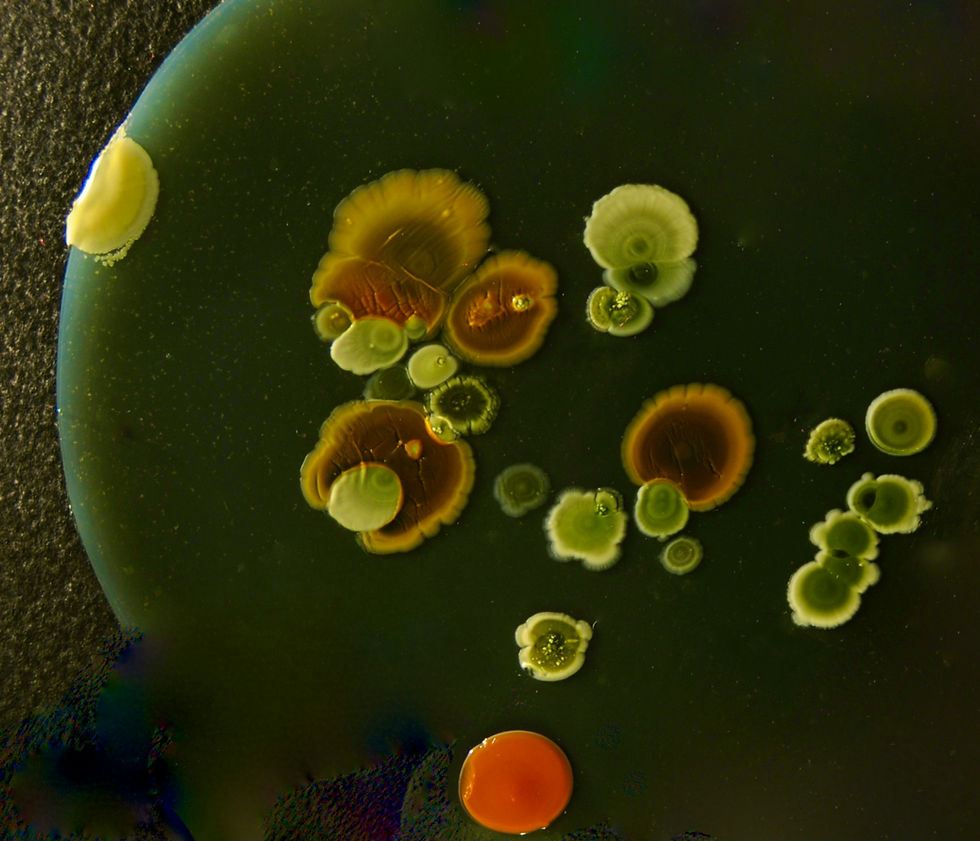
You've probably heard we carry about 2-4 lbs of bacteria in our gut but more recent studies are showing it's more around 0.5 lb - but considering the microscopic size of bacteria, that is still considerable! You may have also heard there's 10 times more bacterial cells than human cells in the body, but that too has been updated and it's closer to 1:1 ratio of human cells to bacterial cells. Still nothing to scoff at! In the GI microbiome, diversity far outweighs presence and number. So having more isn't always the answer, we can even have too much of certain species which is called "dysbiosis".
In this article we'll briefly discuss the most common gut health tests out there and explain them in plain English so you can have a thoughtful discussion with your practitioner and find the answers you are looking for.
In the GI microbiome, diversity far outweighs presence and number.
Conventional GI Testing
Test | What It Does |
Celiac screening (tTG-IgA, total IgA), sometimes also anti-endomysial antibodies | Rules out celiac disease before eliminating gluten |
Fecal calprotectin | Objective inflammation marker; helps distinguish IBS from IBD (like Crohn's or Ulcerative Colitis) |
H. pylori breath or stool antigen test | Detects active H. pylori infection, a common driver of upper GI symptoms and may be connected to stomach and duodenal ulcers. |
Stool culture & O&P (ova and parasites) | Screens for bacterial pathogens and parasites using conventional lab methods |
Colonoscopy / endoscopy | Gold standard for structural disease (polyps, ulcers, IBD); doesn't assess microbiome balance or motility, doesn't assess functional GI health but can check for celiac disease through biopsy. |
Functional/Specialty GI Testing
Test | What It Does |
Comprehensive stool/microbiome panel - our preferred option for depth and accuracy. Assesses gut function, inflammation, pathogens and the microbiome and potential imbalances in flora. | |
GI-MAP | Comprehensive stool/microbiome panel; a commonly recognized alternative. You can read about the differences between this and the GI Advanced here. |
SIBO breath test (lactulose or glucose) | Identifies bacterial overgrowth in the small intestine |
Flags reactive/inflammatory foods, distinct from true allergy, which tests IgE. | |
Intestinal permeability/zonulin testing | Assesses "leaky gut" and barrier function, often paired with stool testing and is included in the GI stool testing above. |
Which Test for Which Symptom
Symptom | Test to Consider |
Bloating, gas | SIBO breath test, comprehensive stool testing (GI -MAP or GI Advanced) |
Chronic diarrhea or constipation | GI Advanced or GI-MAP |
Reactive symptoms after eating | Food sensitivity panel |
Suspected severe inflammation or IBD (e.g. bloody stools). | Fecal calprotectin + colonoscopy referral, also consider a comprehensive stool test! |
Skin, joint, or systemic symptoms with suspected gut origin | Comprehensive stool panel + zonulin |
Upper GI discomfort, reflux, unexplained nausea | H. pylori testing |
Known parasite exposure or recent travel followed by GI symptoms like nausea, vomiting, diarrhea. | Stool culture & O&P |
How We Can Help
We run these tests all. the. time. We have personally seen with thousands of patients that when gut health is optimal, downstream functions such as nutrient absorption, immune function, hormone metabolism and even mood can drastrically improve. Throwing supplements or medications at the problem without a clear idea of what is likely causing it isn't the most beneficial use of your time, energy or money.
If you're located in Oregon or Washington, you can meet (in-person or virtually) with our physicians or our functional nutritionist to discuss your symptoms and work together to create a plan of action to find the puzzle pieces and help put them together into an actionable plan.
If you're not located in Oregon and Washington, we offer virtual functional wellness coaching and we can discuss the testing with you and help you choose what to move forward with. We also offer many of these labs directly to you if you know what you want and are ready to find answers. You can choose a functional interpretation session with one of our providers, or self-interpret your results.

About Pacific Clinic of Natural Medicine
Pacific Clinic of Natural Medicine is a naturopathic and functional medicine clinic in Portland, Oregon, serving patients in-person and virtually throughout Oregon and Washington, with functional wellness consulting available nationwide. Our physicians are licensed naturopathic doctors — the original root-cause practitioners — specializing in hormones, gut health, nutrient status, thyroid, autoimmune conditions, chronic fatigue, and more.
📍 511 SW 10th Avenue, Suite 707, Portland, OR 97205 | 📞 503-894-8977 | pacificnaturalmedicine.com
FAQs
What test should I get for bloating and gas? Start with a SIBO breath test if bloating happens shortly after eating, especially with carbs or fiber. If it's more constant or comes with other digestive symptoms, a comprehensive stool test like GI Advanced can look at the bigger picture, including bacterial overgrowth, yeast, and inflammation markers.
Is GI-MAP still available, or has it been discontinued? The GI-MAP is still an active, widely used test. We prefer GI Advanced from US BioTek for the depth and accuracy of what it measures, but GI-MAP remains a legitimate option you'll see referenced elsewhere.
Do I need a doctor to order gut health testing? Not always. We offer direct lab ordering with no appointment required if you already know what you want. If you'd rather have a provider help you choose the right test and interpret what comes back, we offer that too, either as a full workup or a standalone interpretation session.
What's the difference between a food sensitivity test and a food allergy test? A food sensitivity panel measures IgG, which flags foods triggering a delayed inflammatory response. A true food allergy test measures IgE and points to an immediate immune reaction, one that causes symptoms like hives or throat swelling. They're looking for two different things, and most people asking about "food sensitivities" want the IgG panel because those are more associated with symptoms like skin rashes (not hives), poor digestion, mood and energy changes after eating and more.
Can a normal colonoscopy rule out a gut problem? No. A colonoscopy is excellent at finding structural issues like polyps, ulcers, or IBD, but it doesn't evaluate your microbiome balance, digestive function, or motility. Plenty of patients get a "normal" colonoscopy and still have real, testable gut dysfunction underneath it, as well as the symptoms they were hoping to have solved by the colonoscopy.
What test picks up parasites or a gut infection from travel? A stool culture and O&P (ova and parasites) test is the conventional option. A comprehensive stool panel like GI Advanced also screens for a comprehensive list of parasites and pathogens as well as the microbiome, so it can cover both bases at once.
References
Vighi G, Marcucci F, Sensi L, Di Cara G, Frati F. "Allergy and the gastrointestinal system." Clinical & Experimental Immunology, 2008 Sep;153:3-6. (source for 70-80% immune cells in gut)
"The Interplay between the Gut Microbiome and the Immune System..." PMC, National Institutes of Health — confirms 70-80% figure in recent literature.
Sender R, Fuchs S, Milo R. "Revised Estimates for the Number of Human and Bacteria Cells in the Body." PLoS Biology, 2016 — source for the corrected ~0.2 kg (0.5 lb) bacterial mass and ~1:1 human-to-bacterial cell ratio.
"Detection of serotonin and serotonin related gene reveals unique roles in human intestinal epithelial development" — source for ~95% of serotonin being produced in the GI tract.
BioGaia, "What is the gut-brain axis and how does it affect your happiness?" — source for the ~50% dopamine gut-contribution figure (a more consumer-facing source; let me know if you'd rather I find a peer-reviewed version of this one specifically).
Frontiers in Microbiology, "Neuromicrobiology, an emerging neurometabolic facet of the gut microbiome?" 2023 — background on bacterial neurotransmitter production (serotonin, dopamine, GABA).
Disclaimer: The entire contents of this website are based upon the opinions of physicians at Pacific Clinic of Natural Medicine, unless otherwise noted. Individual articles are based upon the opinions of the respective author, who retains copyright as marked. The information on this website is not intended to replace a one-on-one relationship with a qualified health care professional and is not intended as medical advice. It is intended as a sharing of knowledge and information from the research and experience of our physicians and their community. PCNM encourages you to make your own health care decisions based upon your research and in partnership with a qualified healthcare professional. If you are pregnant, nursing, taking medication, or have a medical condition, consult your health care professional before using products based on this content.
If you want to use an article on your site please direct to and cite the original article page. This content may be copied in full, with copyright, contact, creation and information intact, without specific permission, when used only in a not-for-profit format. If any other use is desired, permission in writing from PCNM and the original author is required.



Comments