
Natural Ways to Lower High Blood Pressure: An Evidence-Based Naturopathic Guide to Hypertension

Updated: May 12
Description:
High blood pressure, also known as hypertension, is one of the world’s most common yet most dangerous chronic health conditions. Often called the silent killer, hypertension typically develops without obvious symptoms, making regular monitoring and early prevention essential. Over time, untreated high blood pressure significantly increases the risk of heart attack, stroke, kidney disease, and cognitive decline. Fortunately, naturopathic medicine offers effective, evidence-based, root-cause-oriented strategies to support healthy blood pressure naturally. This comprehensive guide explains what hypertension is, why monitoring matters, and the best natural ways to lower blood pressure—including diet, lifestyle changes, stress reduction, hydrotherapy, nutrition, and evidence-based botanicals like Hibiscus.

TABLE OF CONTENTS
• What is Hypertension?
• Why is Hypertension Important to Monitor?
• What Are the Naturopathic Causes of Hypertension?
• Getting a Comprehensive Evaluation
• Common Prescription Treatments for Hypertension
• Naturopathic Treatments for Hypertension
• Schedule Today
What is Hypertension?
Hypertension is a chronic medical condition in which blood pressure consistently measures above the normal range (≥130/80 mmHg). Pre-hypertension is defined as blood pressure >120/90. According to the CDC, nearly 48% of adults in the United States have high blood pressure, yet many remain undiagnosed. It affects all populations but is more common in adults over 40, individuals with a family history of cardiovascular disease, and people experiencing chronic stress, poor diet, or sedentary lifestyle. Hypertension is often described as a diagnosis of exclusion, meaning healthcare providers may first rule out secondary causes such as thyroid disorders, kidney disease, and certain medications.
What Are the Symptoms of Hypertension?
Most people experience no symptoms at all, which is why hypertension is known as the silent killer.
Common symptoms may include:
• Headaches
• Dizziness
• Blurred vision

• Shortness of breath
• Fatigue
Less common or more serious symptoms include:
• Chest pain
• Heart palpitations
• Nosebleeds
• Confusion
• Swelling in the legs or feet
Potential complications of untreated hypertension:
• Heart attack
• Stroke
• Kidney damage
• Heart failure
• Vision loss
• Cognitive decline
What Are the Potential Causes of Hypertension?
From a naturopathic perspective, hypertension can result from a combination of physiological, environmental, lifestyle, and emotional factors.

Common contributors include:
• Chronic stress and poor stress adaptation
• Dysregulated cortisol or impaired adrenal function
• Physical inactivity
• Insulin resistance and blood sugar dysregulation
• An imbalanced microbiome or dysbiosis
• Diet high in sodium, processed foods, and low in minerals
• Alcohol overuse
• Poor sleep quality, sleep apnea
• Nutrient deficiencies (magnesium, potassium, omega-3s)
• Liver congestion impacting vascular function
• Genetics and family history
• Sedentary lifestyle
• Tobacco use
Naturopathic considerations:
• Poor diet quality and processed foods
• Dysregulated sleep-wake cycles
• Digestive imbalance affecting nutrient absorption
• Inadequate antioxidant intake
• Liver congestion due to poor metabolism of dietary and environmental toxins
Getting a Comprehensive Evaluation of Hypertension:
To understand the root causes of high blood pressure and personalize treatment, a thorough workup may include:
• Kidney function markers
• Fasting glucose and HbA1c
• CBC
• Urinalysis
• Sleep apnea evaluation
• Home and clinic blood pressure monitoring
• Comprehensive metabolic panel
• Lifestyle review including stress, exercise, and diet patterns
Common Prescription Treatments for Hypertension:
Conventional medications often prescribed include:
ACE Inhibitors (e.g., lisinopril)
Common side effects: dry cough, electrolyte changes, dizziness
Beta Blockers
Common side effects: fatigue, mood changes, decreased exercise tolerance
Calcium Channel Blockers
Common side effects: swelling, constipation, flushing
While conventional medications may effectively reduce blood pressure, they often do not address the underlying causes such as stress responses, inflammation, diet, or nutrient deficiencies.
Naturopathic and Natural Ways to Lower Blood Pressure:
Naturopathic medicine uses a holistic, evidence-based approach to help patients lower blood pressure naturally. These strategies can be used alone or in combination with prescriptions under medical supervision.
(Always consult your healthcare provider before beginning new treatments.)
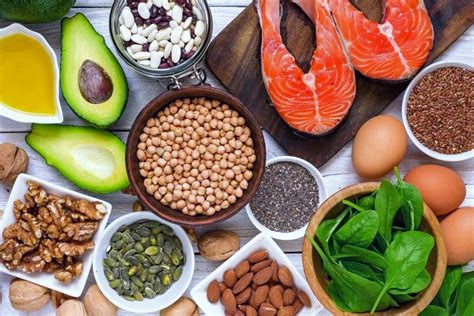
Dietary Recommendations (Evidence-Based for Blood Pressure Control):
Research consistently shows that diet plays one of the strongest roles in reducing blood pressure.
• Emphasize whole, unprocessed foods
• Limit inflammatory foods (seed oils, refined sugars, processed meats)
• Reduce processed and refined foods

• Incorporate the Mediterranean diet
• Increase potassium-rich foods (leafy greens, avocado, bananas, beans)
• Prioritize magnesium-rich foods (dark chocolate, legumes, nuts, pumpkin seeds, spinach)
• Incorporate foods that improve nitric oxide production (beets, arugula, pomegranate)
• Increase fiber from vegetables, legumes, and whole grains
• Limit added sugars and alcohol
Lifestyle Recommendations:
Lifestyle changes can significantly lower blood pressure naturally.
• Exercise regularly — aerobic exercise and strength training both reduce systolic and diastolic BP.
• Stress management — mindfulness, meditation, breathwork, yoga, and nature exposure
• Improve sleep quality — address insomnia, screen for sleep apnea
• Limit alcohol and eliminate smoking
• Maintain a healthy body weight
• Daily movement: walking, strength training, yoga, tai chi
• Reduce caffeine if sensitivity is present
Herbal Remedies: Highlight on Hibiscus (Hibiscus sabdariffa)
Hibiscus is one of the most well-studied herbal remedies for lowering blood pressure naturally.
✔ What the research says
Multiple randomized controlled trials and meta-analyses have shown that hibiscus can significantly reduce both systolic and diastolic blood pressure.

✔ How hibiscus works
• Natural ACE-inhibiting properties
• Vasodilatory effects
• Mild diuretic activity
• Rich in anthocyanins and antioxidants
• Supports healthy vascular function
(Studies show hibiscus can also support cholesterol and metabolic health.)
✔ Typical forms used in studies
• Brewed hibiscus tea
• Standardized hibiscus extract
• Capsules or tinctures
Most studies used daily consumption for 4–12 weeks with measurable improvements.
✔ Safety
Hibiscus is generally safe for most adults but may interact with antihypertensive medications or diuretics. Pregnant individuals should avoid hibiscus until more safety data are available. Always consult a licensed healthcare provider.
Additional Botanicals & Nutrients for Blood Pressure Support
• Hawthorn (Crataegus spp.) — supports cardiovascular function
• Magnesium — a well-known mineral for blood pressure regulation
• Omega-3 fatty acids — reduce vascular inflammation
• CoQ10 — supports heart energy production
• Potassium — a powerful natural blood pressure regulator
Hydrotherapy supports circulation, improves autonomic balance, and reduces stress—key components of natural blood pressure management.

At-home simple hydrotherapy options:
• Alternating hot/cold showers
• Foot baths
• Warming/wet sock treatment
In-office whole body treatments:
Tailored hydrotherapy sessions that promote improved circulation and relaxation, supporting cardiovascular and nervous system health.
How Individualized Care Can Help:
At PCNM, your care is tailored to your unique physiology, lifestyle, and health history. At our clinic, you’ll receive tailored naturopathic guidance focused on understanding your unique physiology—not just managing numbers. Together, we work to identify the root causes of hypertension and create a treatment plan that protects your long-term cardiovascular health.
We focus on:
✔ Root-cause analysis
✔ Evidence-based natural treatments
✔ Safe integration with prescriptions
✔ Long-term prevention
✔ A team-based approach
Our goal is not simply to manage hypertension—it is to help you restore optimal cardiovascular health.

Frequently Asked Questions
1. What is the best natural way to lower high blood pressure?
The number one goal should be finding the root cause. Some of the most effective natural methods to manage blood pressure include improving diet, increasing physical activity, managing stress, and incorporating botanicals like hibiscus. Research shows that combined lifestyle changes can significantly reduce blood pressure.
2. Does hibiscus really lower blood pressure?
Yes. Multiple randomized controlled trials and meta-analyses confirm that hibiscus can reduce systolic and diastolic blood pressure, especially in individuals with mild to moderate hypertension.
3. How quickly can I lower my blood pressure naturally?
Some lifestyle changes, such as reducing sodium, walking, or drinking hibiscus tea, can start lowering blood pressure within days to weeks. More significant changes may take 8–12 weeks.
4. What causes high blood pressure suddenly?
Acute elevations may be triggered by stress, illness, pain, caffeine, alcohol, certain medications, or poor sleep. Chronic hypertension develops over time from genetics, diet, lifestyle, and metabolic factors.
5. Do I still need medication if I’m using natural treatments?
Sometimes, yes. Medications can be lifesaving. Naturopathic and lifestyle strategies can complement prescriptions, and it is possible to eliminate the need for medications with the right care. Always consult your prescribing clinician before reducing or stopping any medication.
References:
Mills KT, Stefanescu A, He J. The global epidemiology of hypertension. Nat Rev Nephrol. 2020;16(4):223–237. PubMed PMID: 32024986.
Serban C, Sahebkar A, Ursoniu S, et al. Effect of sour tea (Hibiscus sabdariffa L.) on arterial hypertension: a systematic review and meta-analysis of randomized controlled trials. J Hypertens. 2015;33(6):1223–1233. PubMed PMID: 25875025.
Ellis LR, Elowa S, Jelodari-Mamaghani P, et al. A systematic review and meta-analysis of the effects of Hibiscus sabdariffa on cardiovascular risk factors. (2022). PubMed/PMC listing. PubMed PMID: 34927694.
Herrera-Arellano A, Miranda-Sánchez J, Jiménez-Ferrer JE, et al. Effectiveness and tolerability of a standardized extract from Hibiscus sabdariffa in patients with mild to moderate hypertension: a controlled and randomized clinical trial. Phytomedicine. 2004;11(5):375–382. PubMed PMID: 15330492.
Dickinson HO, Mason JM, Nicolson DJ, et al. Lifestyle interventions to reduce raised blood pressure: a systematic review of randomized controlled trials. J Hypertens. 2006;24(2):215–233. PubMed PMID: 16508562.
Krishnamoorthy Y, et al. Effectiveness of multiple combined lifestyle interventions in hypertension. (2023) — evidence supporting diet + physical activity as high-impact interventions. PubMed listing.
Hopkins AL. Hibiscus sabdariffa L. in the treatment of hypertension and hyperlipidemia: a review of the clinical and animal literature. Phytother Res. 2013;27(5):731–737. PubMed PMID: 23333908.
McKay DL, Chen C-YO, Saltzman E, Blumberg JB. Hibiscus sabdariffa L. Tea Lowers Blood Pressure in Pre- and Mild Hypertensive Adults. J Nutr. 2010;140(2):298–303. PubMed/Journal.
About Pacific Clinic of Natural Medicine
Pacific Clinic of Natural Medicine is a naturopathic and functional medicine clinic in Portland, Oregon, serving patients in-person and virtually throughout Oregon and Washington, with functional wellness consulting available nationwide. Our physicians are licensed naturopathic doctors — the original root-cause practitioners — specializing in hormones, gut health, nutrient status, thyroid, autoimmune conditions, chronic fatigue, and more.
If you've been told your labs are normal but still don't feel well, we can help. We offer comprehensive functional lab testing, direct lab ordering without an appointment, and complimentary consultations to help you figure out where to start.
📍 511 SW 10th Avenue, Suite 707, Portland, OR 97205 | 📞 503-894-8977 | pacificnaturalmedicine.com
Disclaimer: The entire contents of this website are based upon the opinions of physicians at Pacific Clinic of Natural Medicine, unless otherwise noted. Individual articles are based upon the opinions of the respective author, who retains copyright as marked. The information on this website is not intended to replace a one-on-one relationship with a qualified health care professional and is not intended as medical advice. It is intended as a sharing of knowledge and information from the research and experience of our physicians and their community. PCNM encourages you to make your own health care decisions based upon your research and in partnership with a qualified healthcare professional. If you are pregnant, nursing, taking medication, or have a medical condition, consult your health care professional before using products based on this content.
If you want to use an article on your site please direct to and cite the original article page. This content may be copied in full, with copyright, contact, creation and information intact, without specific permission, when used only in a not-for-profit format. If any other use is desired, permission in writing from PCNM and the original author is required.


Comments